
Dental Extractions
Save and repair your smile by removing a tooth
Improving oral health and outcomes by removing damaged teeth in Beverly Hills, CA
A tooth extraction is a common procedure to remove a tooth. It involves removing a tooth from your mouth and can be done either on the gums or below the gum line. A tooth extraction may be needed if there is not enough room in your mouth for your teeth to grow, if you have an abscessed tooth, or because you need space to place dental implants.
What is a tooth extraction?
A tooth extraction is a procedure used to remove teeth. Tooth extractions are done for various reasons, such as removing an impacted tooth that is too deep in the bone and cannot be safely removed by other means. If your Beverly Hills dentist recommends a tooth extraction, it is important to understand how it will be performed and what kind of experience you can expect.
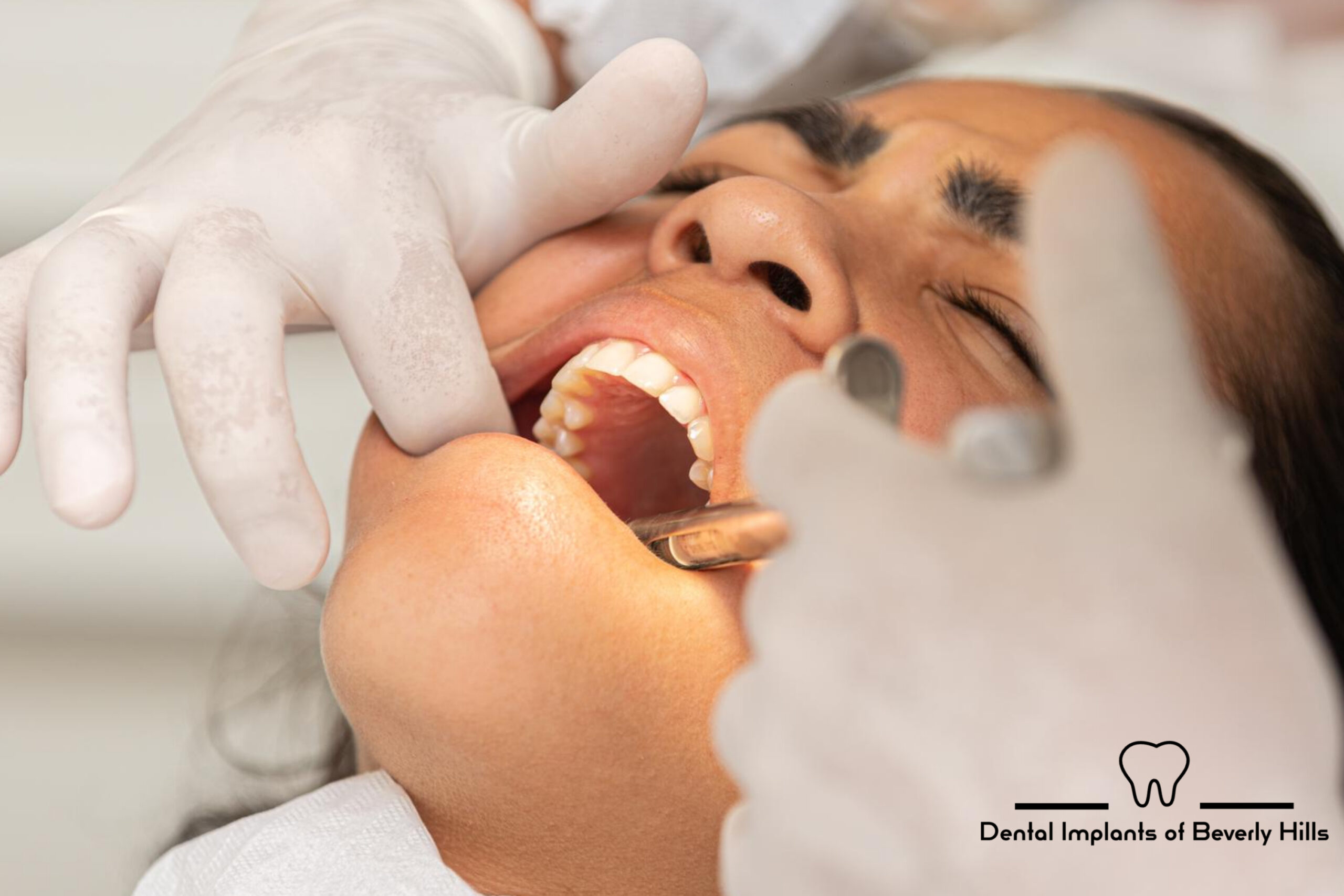
When your teeth are damaged or have decayed to the point that they cannot be restored, a tooth extraction is sometimes the best option. The dentist will use forceps or lidocaine to numb the area and gently pull the tooth from its socket. The metal posts that hold teeth secure in place can also be removed at the same time. Tooth extractions can be used to treat problems such as recurrent decay and damage by periodontal disease, root fractures or abscesses caused by severe decay or gum disease.
Reasons for Tooth Extractions
Tooth extractions are necessary when a tooth is beyond repair or if it poses health risks. Often times, your dentist can restore your smile with a dental bridge or dentures once the tooth is removed. There are many reasons to get a tooth extracted, and a tooth extraction may be recommended for a variety of reasons, including but not limited to: pain, infection and tooth decay.
The most common reasons why our patients get teeth extracted include:
- Severe dental caries or cavities
- Broken or partially broken teeth
- Making way for orthodontic appliances such as braces or Invisalign Clear Aligners
- Tooth decay
- Fractures or breakage of the tooth structure
- Exposure of the pulp (nerve) of the tooth
- Injury to root attachment
- Jaw joint disease
- Gum disease or infections
- Congenital deformity
- Overcrowding of the teeth
- Aesthetics
What is a tooth extraction procedure like?
Many patients wonder what happens when you lose a tooth and get it extracted. The root of the tooth has died, which is why it becomes painful. After extraction, there’s a quick recovery period until the healing process begins – this is where you will be able to replace your teeth by placing implants or bridges.
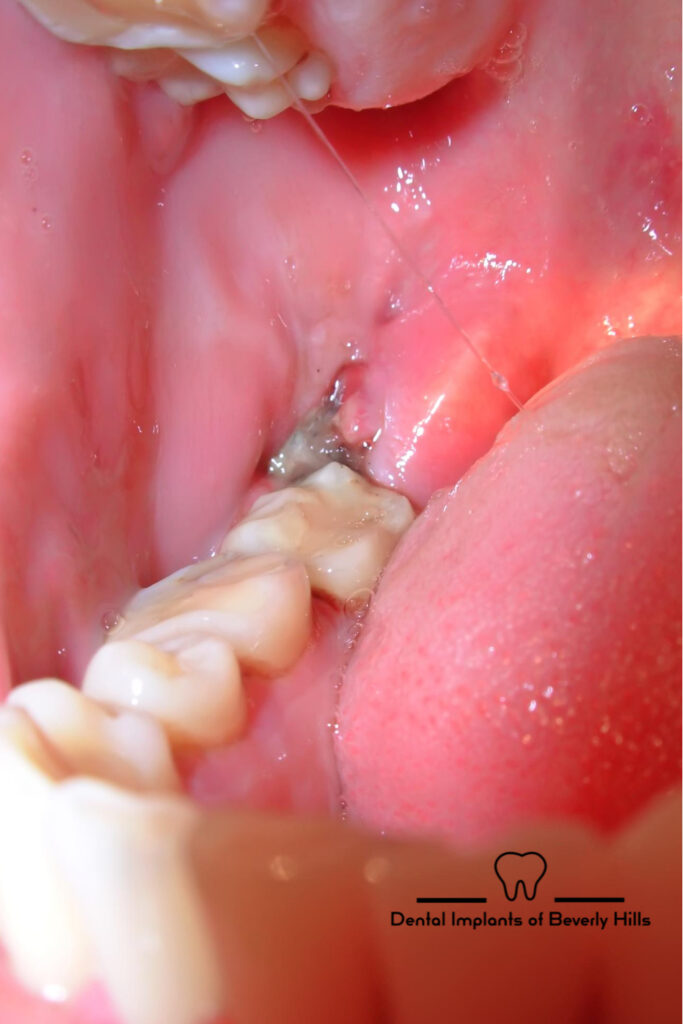
Extraction is the removal of a tooth from its socket. When a tooth does not respond to restorative treatment and remains infected or severely decayed, it may have to be extracted. The most common reasons for extraction are tooth decay, advanced periodontal disease that cannot be managed with periodontal treatment, trauma and damage to the pulp (the sensitive inner tissue) pulpitis (inflammation of the pulp), or cracked teeth.
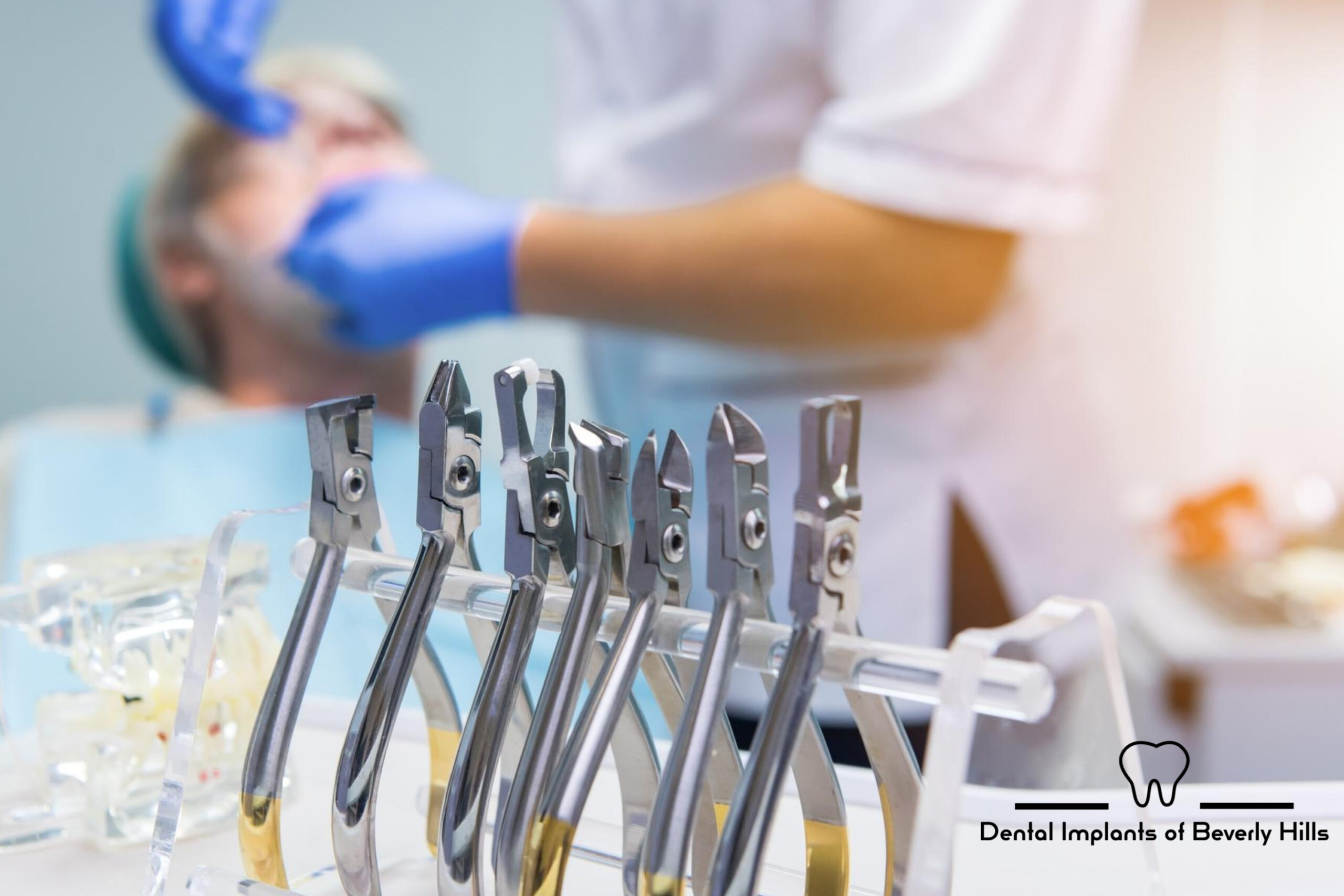
In order to extract a tooth, Dr. Catharine Song, DDS will need to numb the area with a local anesthetic. She will then use an instrument called a dental elevator to gently lift the gum away from your tooth (exposed after another tool called a tooth elevator has been used to cut away some of your gums). A surgical biopsy forceps is then inserted under the gum and used to grasp hold of the soft tissue surrounding your tooth. The forceps are applied firmly but in such a way as not to damage any nearby nerves or other vital structures. The tooth is then removed using clamps, pulling instruments or forceps and you may be given antibiotics as part of your treatment.
Best Candidates for surgical tooth extractions in Beverly Hills
Teeth extraction is a common procedure, and it’s often recommended for patients suffering from gum disease, decay, cracks and chips in their teeth. The best candidates for having teeth extracted are those who have healthy teeth in surrounding areas or who suffer from painful and recurrent dental issues. Missing teeth can cause your face to look worn down, so it’s important to address them sooner rather than later. Dental implants are the ideal way to replace missing teeth, because they look and feel just like your natural teeth with the added benefit of longevity. They’re made from titanium, which is a hard metal that won’t wear down over time and allow bacteria entry into the root canal. This allows the oral care team to focus on treating an area with the most immediate need.
At Dental Implants of Beverly Hills, we know that the top candidates for getting teeth extracted are patients who have a gum infection, have severe decay in the tooth or if part of the tooth is facing outward instead of inward. In these cases, extracting the affected tooth is less invasive than trying to restore or save it in any way. Your dentist will be able to determine if you are a candidate based on your situation and your unique case.
Tooth Extraction After Care
After the extraction, a gauze dressing will be placed over the area. You’ll need to keep it clean, and remove it when you brush your teeth or eat. If swelling occurs, take over-the-counter pain medications like acetaminophen (Tylenol) or ibuprofen (Advil) as directed by your dentist. You may see a little blood coming from the tooth socket. This is normal and will taper off after a few days.
After a tooth extraction, here are the main instructions you should follow to take care of yourself and give your body a chance to heal:
- You should avoid strenuous activity for 24 hours. If local anesthetics were administered during your procedure, it could take one hour or as long as a few hours for them to wear off completely.
- Once you are able to complete normal activities without experiencing any pain, ice can be applied to help reduce swelling and soreness.
- Do not rinse your mouth with warm water until swelling has subsided: warm water will increase the bleeding inside your mouth and increase the size of the gums around the extraction site.
- To avoid getting an infection, don’t put strain on your jaw muscles by chewing on hard foods; eat soft meats like chicken breasts or pulled pork until swelling goes down and your mouth starts healing properly.
- Keep in mind that it’s normal for surrounding teeth to become sensitive after tooth extractions so you may want to consider wearing braces if you have multiple impacted teeth.
Tooth Extraction FAQs
How much do tooth extractions cost in Beverly Hills?
While there is no set price for dental procedures, the general cost of tooth extractions in Beverly Hills can range from $100 to $5,000, depending on the severity of your case. Typically, a first tooth extraction in adults can cost between $100 and $300, while a second extraction costs between $400 and $800. Third or fourth extractions are generally more expensive.
How long does it take to recover from a tooth extraction?
It generally takes a while to fully recover from a tooth extraction. You should avoid eating hard foods, straws and aerosol sprays until your gums are healed. Your mouth may be swollen, numb or tender for a few days. Avoid chewing on the side of your mouth where the tooth was removed until your jaw heals.
It’s very important to maintain a healthy diet and regular oral hygiene routines following a tooth extraction. If you maintain the health that has been maintained before your procedure as well as good habits, recovery is usually fast (3-5 days).
Is getting a tooth extracted painful?
Whether you’re having a tooth extracted under local anesthesia or sedation, the procedure itself is simple and painless. If you are taking pain medication, it can make your mouth feel numb, especially when it comes to biting and chewing. But this should dissipate once you begin eating solid foods afterwards.